Quality You Can See, Integrity You Can Feel

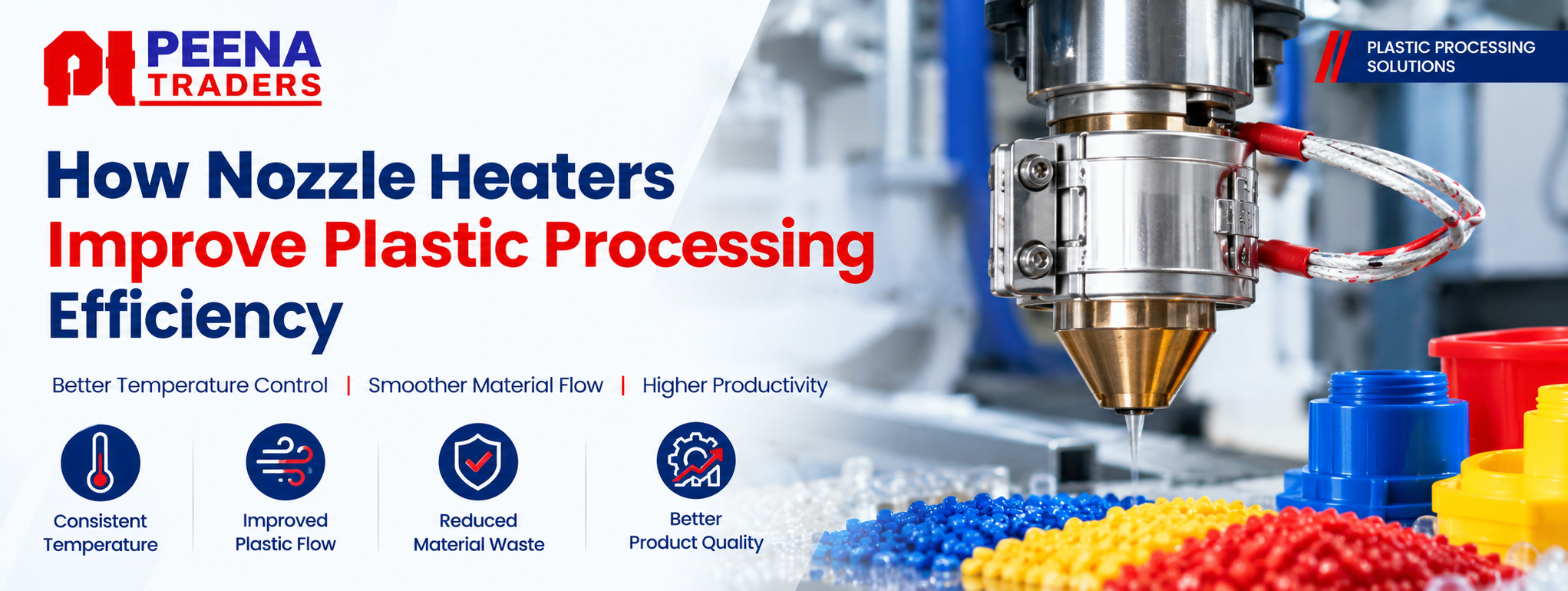
In plastic processing, temperature control is one of the important factors. For injection-molded parts, the manufacturer may be dealing with plastic packaging or extruded products; in either case, the material needs to be held at the correct temperature during the process. Any slight change at the nozzle can affect material flow, the quality of the product and the consistency of the production.
This is where nozzle heaters are used. They provide a controlled heat close to the machine nozzle, which helps to maintain the correct temperature of the molten plastic for a smooth and steady process. Choosing the right heater and installation will help to reduce processing problems, material waste and needless downtime.
Nozzle heater is a plastic equipment nozzle heating equipment. It is used primarily to keep the nozzle at the proper operating temperature to ensure smooth flow of molten plastic through the nozzle.
For instance, in injection molding, plastic material is first heated and extruded through a barrel, into the nozzle and then into the mold. If the nozzle is too cold, the plastic viscosity will increase or it may begin to set up. This can result in low flow, blockage or defects in the final product.
The correct size plastic nozzle heater is necessary to produce the desired temperature, and to maintain a smooth flow of the material during manufacture.
The most crucial of all requirements in plastic processing is temperature stability. If the nozzle temperature continues to fluctuate, the flow characteristics and viscosity of the plastic may also vary.
A properly designed heating system will provide more uniform nozzle temperature. This provides greater predictability in processing and may help increase the uniformity of production.
The temperature of the molten plastic should be kept to a proper level through the nozzle. The material could not flow as smoothly as required if the nozzle is too cold.
The heating element in the nozzle can provide direct heat to the nozzle to maintain the required temperature and flow. Therefore, this is especially important when processing materials that need to be relatively accurately controlled.
Parts can be rejected because of temperature problems, may be inconsistent on filling or have other defects. The loss of each rejected part can result in more materials, machine time, and lost energy.
This can help prevent some of these common issues if a nozzle temperature is maintained. Constant processing reduces material wastage and eliminates defects due to temperature and gives manufacturers more time to concentrate on other production issues.
The consistency is as crucial as the heating speed for manufacturers who operate plastic processing machines for extended periods of time.
A good heater will hold the nozzle temperature stable during the production process, and not have a drop. This helps ensure smooth running of the machine and may minimize interruptions due to poor heating.
The properties of the plastics during molding and extrusion are directly related to the temperature. Improper heating may lead to filling in and out, poor surface texture, size variations and other quality problems.
Appropriate nozzle heaters for plastic processing can help to ensure optimal thermal conditions for uniform material flow and product quality.
Nozzle heaters are generally used as part of a wider temperature-control system. The temperature can be monitored and controlled by thermostats, temperature sensors and controllers depending on the processing need.
This provides the operator with more control over the heating process and enables the system to be adjusted to suit the plastic material, machine design and production conditions.
Band heaters are fitted around cylindrical nozzles and provide direct heating around the surface.They are usually used when an even heat around the nozzle is required in the application.
The ceramic heater is suitable for high temperature and high efficiency heat transfer applications. They can also offer excellent thermal performance in challenging applications.
Coil heaters are small and can be produced to fit the size and shape of the nozzle. They can be used when there is a small installation space or when localized heating is required.
The selection should depend on a variety of factors, including nozzle size, operating temperature, voltage, wattage, heater construction, and the plastic material to be processed.
Nozzle heaters are frequently used in equipment such as:
In all these applications, maintaining suitable nozzle temperature helps support reliable material flow.
Choosing a heater by size or wattage alone may not be the most effective option. There are a number of points to consider.
Nozzle must fit the heater well. When contact between the heater and the nozzle is good, heat is transferred efficiently.
There are various requirements for processing of various plastic materials. The heater should be capable of attaining and holding the desired operating temperature.
The electrical specifications must match the machine and application. Incorrect voltage or wattage can affect heating performance and may shorten the heater's service life.
Uniform heating is important. Uneven heat distribution can create hot and cold areas that affect the flow of the plastic.
The heater should be manufactured using materials suitable for the operating environment and expected temperature range.
For applications requiring precise heating, compatibility with thermostats, sensors, and temperature controllers should also be considered.
Choosing the right heater is only part of the process. Installation also has a direct effect on performance.
The heater must be properly wrapped around the nozzle and should provide good surface contact to transfer heat efficiently. Nozzle surface should be clean before installing, electrical connection should be made properly.
Using the heater within the electrical and temperature range of the heater is also crucial. Routine checks could help identify broken insulation, loose connections, overheating or other problems before they result in an unpredictable production halt.
Yes, although the savings do not come only from lower electricity consumption.
A correctly sized heating element can deliver heat where it is needed without unnecessary heating. Moreover, stable temperature control can minimize production interruptions, material waste and rejected products.
A small amount of consistency in a plastic processing plant can make a big difference in overall plant efficiency when the plant is running around the clock.
A heating system's efficiency is based on the design, size, materials, electrical components, and quality with which the heater is made.
If you are also working with an experienced nozzle heater manufacturer, you can choose a heater based on the real needs of the machine, rather than a generic specification.
Peena Traders supplies heating solutions for industrial and professional applications, such as nozzle heating solutions for plastic processing equipments. The selection of machine and operating conditions needs to consider the right heater to ensure a consistent production, and a reliable heating operation.
It helps to keep the temperature of a machine nozzle just right so that molten plastic flows regularly during processing.
The proper temperature facilitates the desired plastic viscosity and flow, which are essential for uniformity in production.
This depends on nozzle size, shape, required temperature, voltage, wattage and type of plastic to be processed.
Yes. Some temperature related defects can be reduced by stable heating, resulting in reduced material waste and rejected products.
Proper sizing, installation, thermostatic controls, and periodic checks can help extend the service life of the heater.
One of the most important factors for an efficient plastic processing is the control of temperature. If a nozzle is too cold, it may impact material flow, and if the heating is not stable, it can cause unstable production and quality issues.
Nozzle heaters offer an effective means of controlling the temperature near the machine nozzle. They can play a role in improving the overall processing efficiency by providing stable plastic flow, minimizing temperature-related defects, and assisting in the maintenance of consistent production conditions.
The heater should be chosen based on nozzle size, operating temperature, electrical power requirements, material to be processed and machine configuration for the best results.
Click on the button below to speak to a sales rep.
Contact Sales

Product Information: This Product Information is intended solely for your internal use in the marketing, sales, and website development processes.


Gala No.27/28
Shailesh Industrial Estate No.2,
Navghar Vasai (East),
Thane - 401210
© 2026 PEENA TRADERS - All Rights Reserved | Design and Developed By Arsh Infosystems


